.avif)


.avif)

.avif)





.avif)


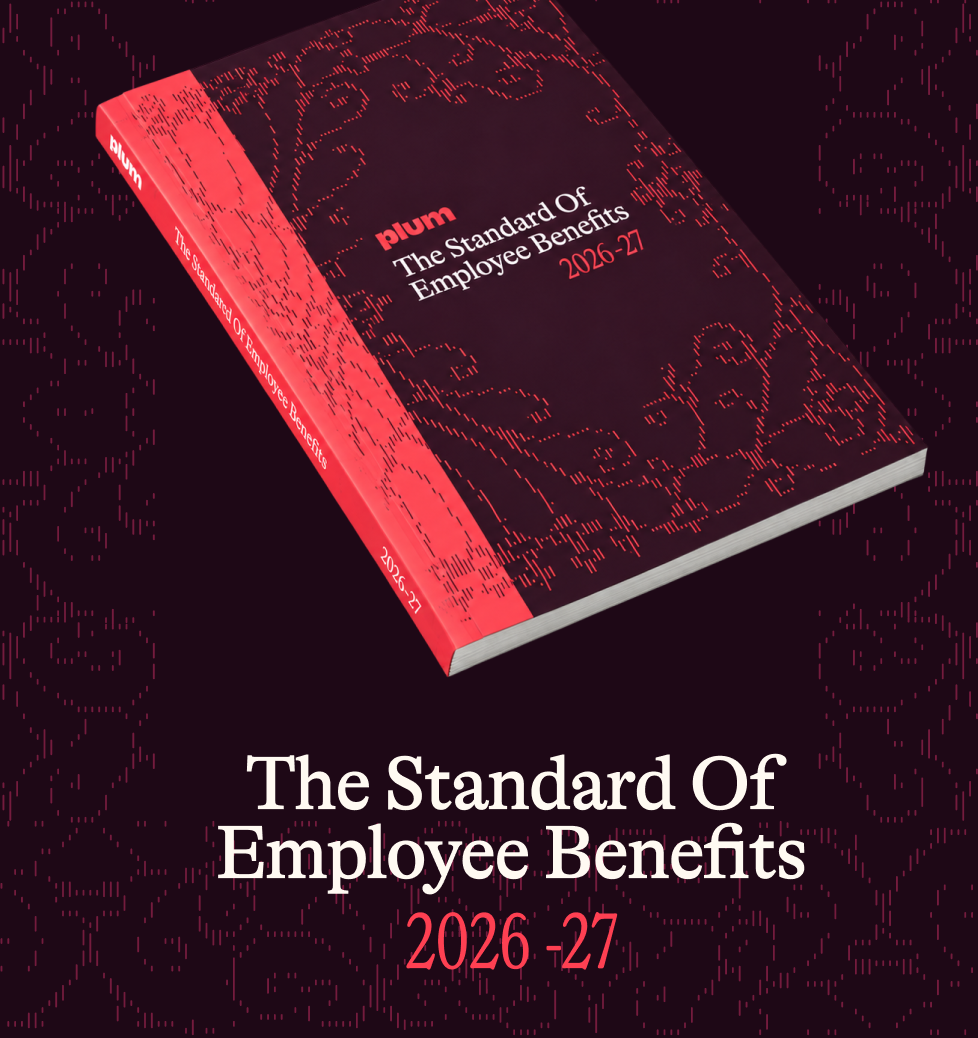
With more than 600 million people between the ages of 18 and 35, the country holds the world’s largest working-age population, a demographic advantage that economists say could define this century. Yet behind this optimism sits an uncomfortable contradiction: the same generation that should be powering India’s rise is losing its health far too early. According to Plum’s Employee Health Report 2025, chronic illnesses like diabetes, hypertension, and heart disease are now appearing a decade sooner in India than in developed nations. The diseases that strike at 45 in the West are arriving at 35 in India, often without warning, quietly cutting short the healthiest years of life.
This shift isn’t visible on the surface. The office lights still glow late, the weekend treks still get posted on Instagram, the energy still hums in India’s cities. But beneath that sheen lies fatigue — physical, mental, and social. It’s a fatigue that has become so normalized that few recognize it as decline. We still measure success in hours worked and years lived. What we rarely measure is healthspan — the number of years lived in good health, without disease or disability.
Lifespan tells us how long we survive. Healthspan tells us how well we live.
In India, that difference is widening. Seventy-one percent of employees are now at moderate risk of chronic disease, a number that translates into lost productivity and rising medical costs for employers. Plum’s analysis estimates that poor health costs companies up to 40 workdays per employee every year — an entire month of work, gone. And the data shows that this isn’t simply about individual habits. It’s systemic, built into the architecture of how India works: the long commutes, the sedentary jobs, the skipped meals, the 10-hour screen days, the relentless pace that glorifies endurance over recovery.
A 30-year-old in Bengaluru today might be juggling three screens, two deadlines, and one nagging pain in the lower back. They are not ill enough to stop working, but not well enough to live fully either. The danger lies in that middle ground — where symptoms are tolerated, check-ups are postponed, and stress becomes the background noise of ambition. Among India’s working-age adults, six percent of insurance claims now come from chronic conditions once limited to older people. Plum’s telehealth data shows that nearly 60,000 specialist consultations last year were booked by employees aged 25 to 40. It’s a quiet epidemic unfolding in conference rooms and home offices alike.
The costs extend beyond the clinic. When someone spends a morning fighting fatigue or brain fog from untreated conditions, productivity doesn’t just dip; it decays. The report estimates that chronic illness can cost companies up to 30 days of productive time each year, and employees with long-term conditions are 4 to 11 percent more likely to limit their work. The more invisible drain, however, is presenteeism — showing up while unwell. A workforce that works through illness is a workforce eroding from within. In knowledge-driven industries where attention is capital, every migraine, skipped meal, and restless night translates into economic loss. Yet these are not isolated misfortunes; they’re features of a system that prizes stamina over sustainability.
The problem isn’t that we’ve failed to live long — India’s life expectancy has steadily climbed. The problem is that those extra years aren’t healthy ones. As Plum’s report notes, “Modern medicine has extended lifespan, but failed to improve healthspan.” In other words, we’ve learned how to add years to life, but not life to years. Across hundreds of health camps and consultations, the pattern repeats: sixty-one percent of employees show moderate to poor fitness levels, more than half do not exercise, and nearly one in two skips at least one meal every week. Vitamin D and B12 deficiencies have become routine findings, symptoms of a population that spends most of its daylight indoors and most of its income treating what could have been prevented.
Plum’s research goes so far as to prescribe a “14-hour health week” — two hours a day dedicated to physical, mental, and social wellbeing.
Two hours a day to reclaim a life. Yet, in a nation where overwork is a cultural default, those hours feel aspirational. We still mistake busyness for importance, exhaustion for achievement. The irony is that the same effort poured into building careers could, if slightly redirected, extend healthspan by decades.
But health isn’t only about the body. It’s also about the invisible structures of care surrounding it. Seventy-three percent of Indian employees, according to the report, worry more about their family’s health than their own. Almost seventy percent of company insurance claims are filed for dependents — ageing parents, spouses, children. Caring for a chronically ill family member costs the average urban employee ₹80,000 annually and roughly eight hours of productive work each week. That’s a workday lost to worry, every week.
For women, this strain doubles. Indian women spend ten times more hours on unpaid domestic work than men. One in five is already at high risk of chronic illness, and seven in ten are dissatisfied with their employer’s healthcare plan. Many continue to work through menstrual pain or menopausal symptoms, not because they must, but because the system has no space for it. The result is a workforce quietly absorbing stress that policies have failed to address — and an economy that overlooks half its potential.
There’s also the loneliness no one measures.
Thirty percent of Indian employees report feeling lonely at work — the highest rate globally — and among remote workers, it’s one in three.
For all the talk of collaboration and culture, the modern workplace is becoming more transactional, less human. Social health, though rarely discussed, is as critical to longevity as diet or exercise. People with strong social bonds live longer, recover faster, and perform better. Yet most offices still treat connection as a team-building activity rather than a daily necessity.
And then there’s the culture that ties it all together — a culture of quiet overwork.
In many Indian workplaces, leaving early still carries guilt. The “busy” status is a badge of honour. Burnout is whispered about, not treated. This, too, is a form of illness — one that blurs the line between dedication and depletion. The Employee Health Report 2025 calls this cultural mindset the greatest obstacle to improving health outcomes. Every data point — from the rise of non-communicable diseases to the epidemic of fatigue — is downstream of a collective misunderstanding of productivity.
Shifting the focus from lifespan to healthspan, then, isn’t just a healthcare reform. It’s a reimagining of value. It asks companies to measure success not in attendance but in vitality, not in hours worked but in years lived well. It asks individuals to stop treating self-care as leisure and start treating it as maintenance. And it asks policymakers to view preventive health as an economic investment, not an optional service.
The numbers make the argument clearer than any sermon could. Companies that invested in preventive healthcare and flexible wellness programs saw a 30 to 45 percent reduction in productivity loss. For every ₹100 spent on employee health benefits, the average employee saved ₹296 on healthcare costs. Telehealth access reduced absenteeism; regular health check-ups caught diseases before they advanced.
Because ultimately, the health of a company mirrors the health of its people.
A healthy workplace isn’t one that offers yoga classes or free salads. It’s one that designs time — time to move, to rest, to recover. It’s one that normalizes therapy, encourages health screenings, and recognizes caregiving as labour. It’s one where leaders talk openly about burnout, and where taking care of yourself isn’t seen as selfish.
The irony of India’s economic rise is that its greatest asset — its workforce — is quietly depreciating. The average Indian professional spends their thirties fighting ailments that should belong to their sixties. Yet the same data that exposes this crisis also offers hope. The past year alone saw a 100 percent surge in startups buying group health insurance for the first time and a similar jump in large companies investing in flexible benefits. Employers are finally recognizing that care pays compound interest.
The shift from lifespan to healthspan is more than a slogan. It’s a survival strategy for the century ahead. India cannot afford to trade health for growth — not when its growth depends on health. In the coming decade, the measure of a nation’s success won’t be how long its people live, but how long they live well.
And perhaps that’s the story of this moment — a country young in years but old in exhaustion, finally learning that longevity means nothing without vitality. The data may sound clinical, but its message is deeply human: to work better, we must live better. To build a healthier workplace, we must first build a culture that values being well as much as doing well. The rest — the profits, the productivity, the progress — will follow, as they always do, when people are allowed to thrive.